
Why skin tones are rarely pure color
One of the biggest surprises for artists learning portrait painting is this:
skin tones are rarely pure color.
What we actually see are subtle relationships between tints, tones, and shades, constantly shifting between cooler, more neutral, and warmer passages. When those relationships aren’t understood, portraits can quickly feel chalky, flat, or inauthentic.
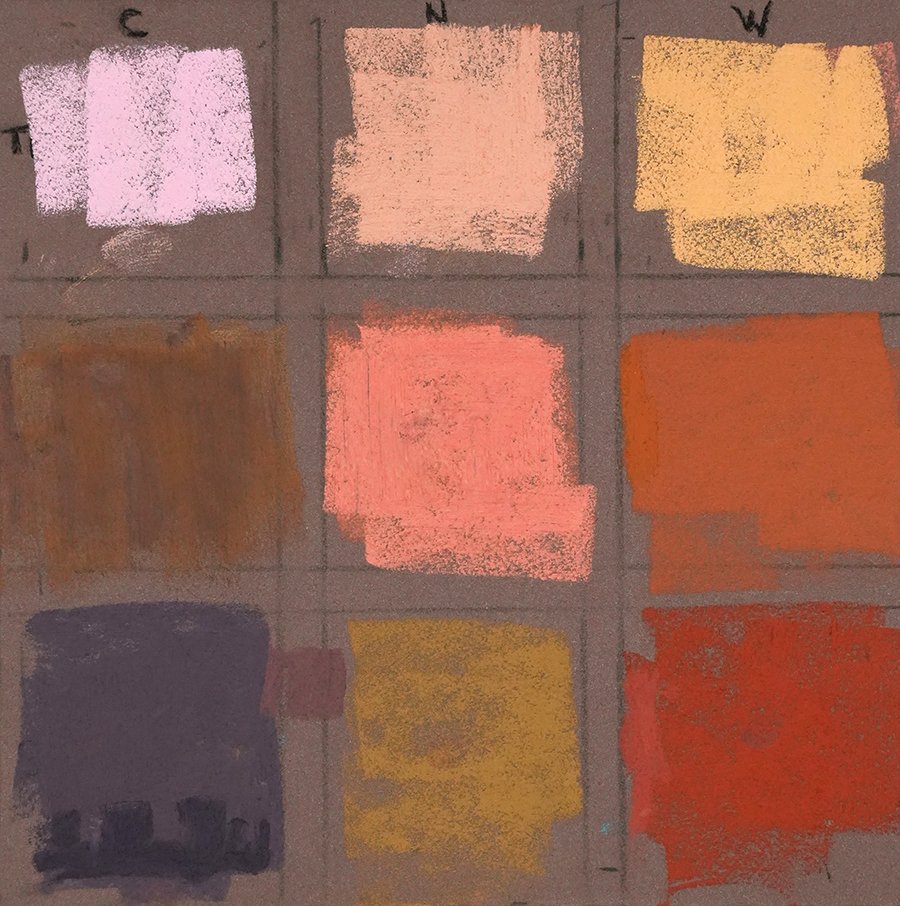
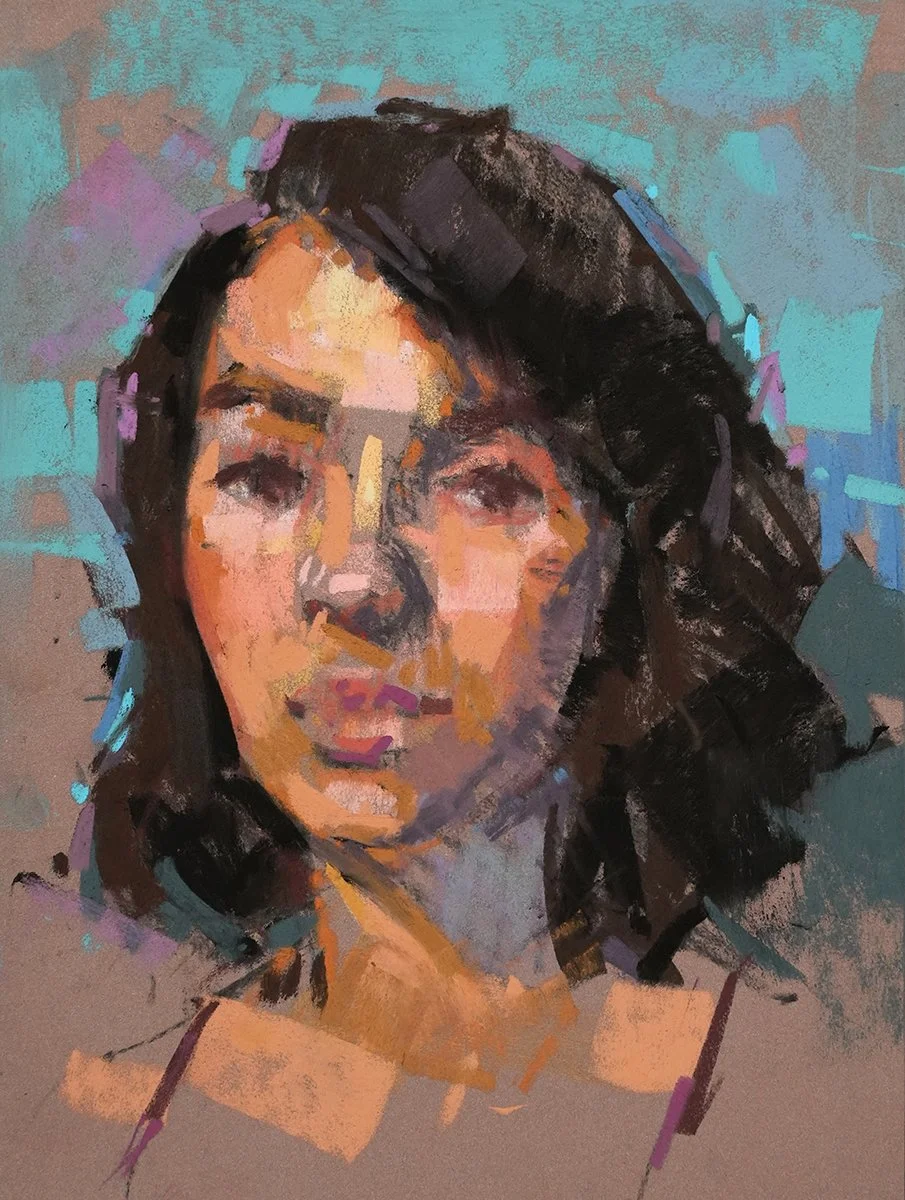
This skin tone chart and quick color study were created in preparation for a portrait of a lovely model named Natalie. She has what I refer to as a Type 2 skin type (fair skin). Before touching the portrait itself, I explored a controlled range of colors, cool, neutral, and warm, across different values. This concept and process is something I teach artists inside my Painterly Portrait Course.
Skin tone isn’t one color.
It’s a family of related colors working together to describe form, light, and temperature.
When artists struggle with skin tones, it’s rarely about color sensitivity. More often, it’s because they’re trying to invent color on the fly, without a clear framework to guide their decisions.
This kind of preparation isn’t meant to feel rigid or controlled. In fact, it does the opposite. It allows the painting itself to stay loose, responsive, and painterly because the groundwork has already been done.
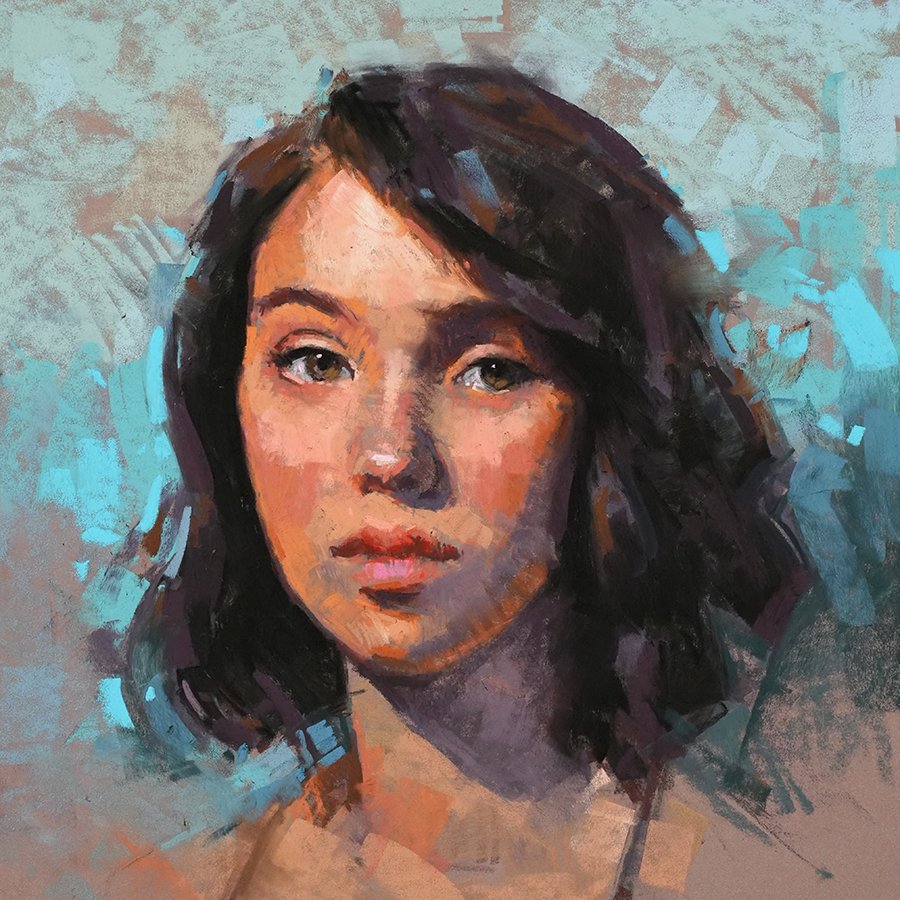
Portrait Study of Natalie (closeup), pastel on Pastelmat Brown
Inside the Painterly Portrait Course Self-Study, this approach to understanding skin tones is taught in depth during Milestone 4, where we explore:
The six basic skin types
How to build and use skin tone charts
How to adapt color for lighting, temperature, and expression
The goal isn’t formulas. It’s understanding that leads to confidence and clarity when you show up to paint.
If portrait painting has felt intimidating or uncertain, please know this: with the right structure in place, it becomes far more intuitive and enjoyable.
The Painterly Portrait Course is designed to work at your own pace, with lifetime access to return to whenever you need it.
Your skin tones can be vibrant and lifelike. I’d love to help you create the portraits you dream of. If you’d like to have a visual chart for the 6 Basic Skin Types, consider downloading my Skin Tone Charts and post them up in your studio.