A winding road that became a calling
Most people assume I always knew I’d be an artist. The truth is, my boyhood dream was to be a left-handed pitcher in the major leagues. When that door closed in college, I realized something that had been true all along; I had always been drawing. I just hadn’t taken it seriously.
That moment led me into art school, mentors, and a whole new world I didn’t even know existed. Eventually, it brought pastel into my hands.
Why pastel became my home
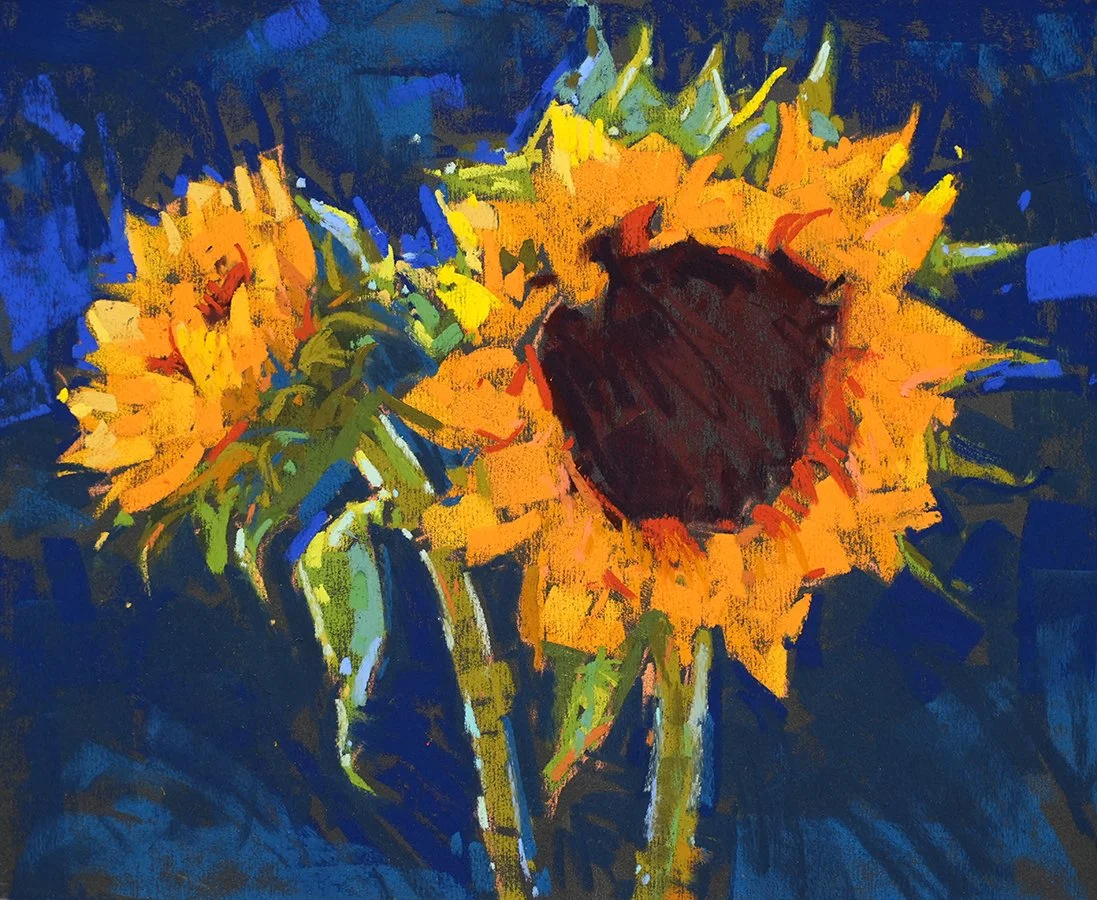
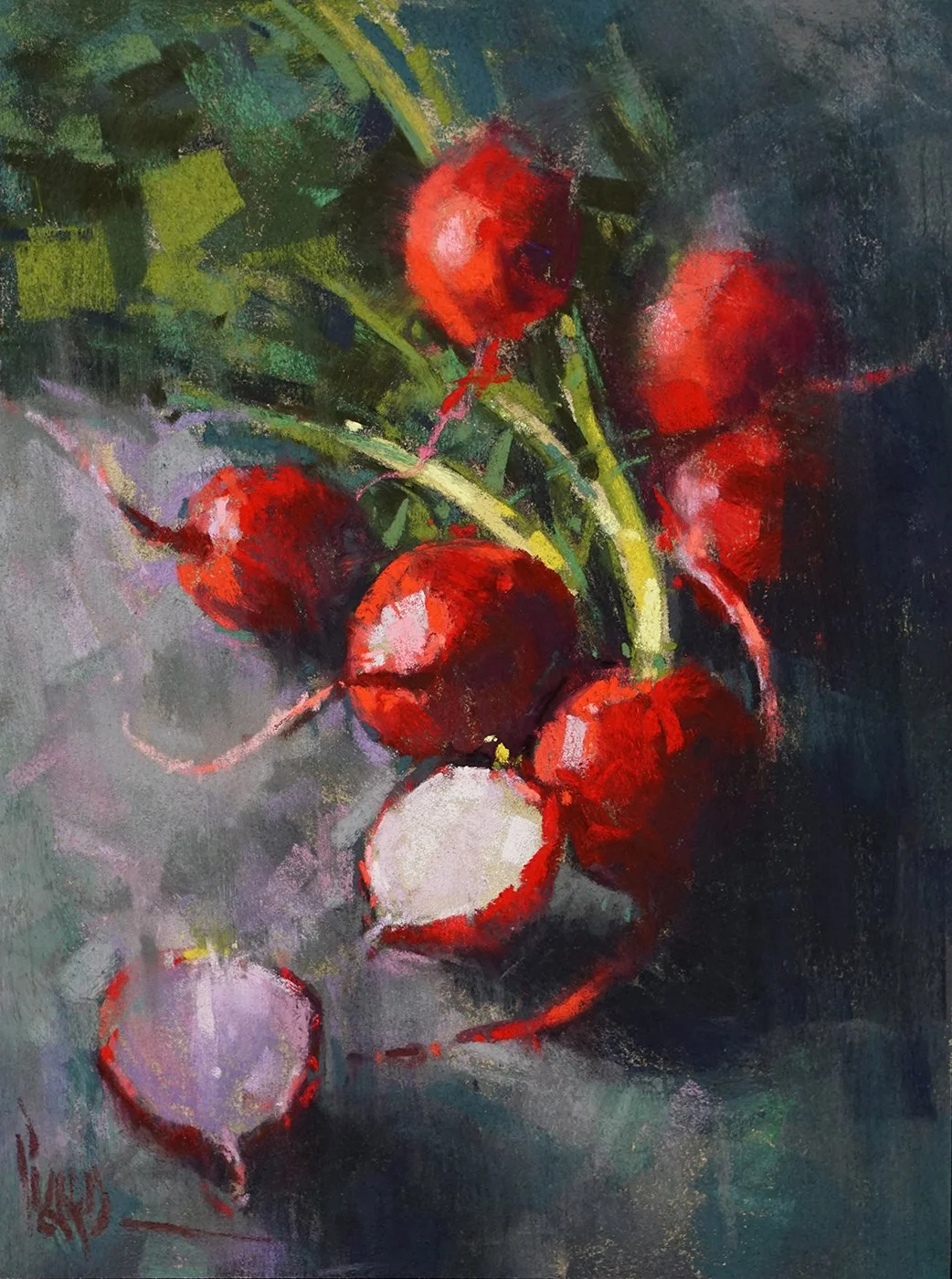
I fell in love with pastel early on. The immediacy, the color, the way it lives right between drawing and painting. Still, for years I believed you had to become a master oil painter to be a “serious” artist.
But pastel kept calling me back. Around 2015, I finally went all in. That focus changed everything — my work, my teaching, and the way I think about helping artists grow.
How limitation transformed my technique
One of the biggest shifts in my work came during the 2008 housing crisis. Commissions slowed, but invitations to demo and teach increased. Painting in front of a group — often in 90 minutes or less — forced a radical change.
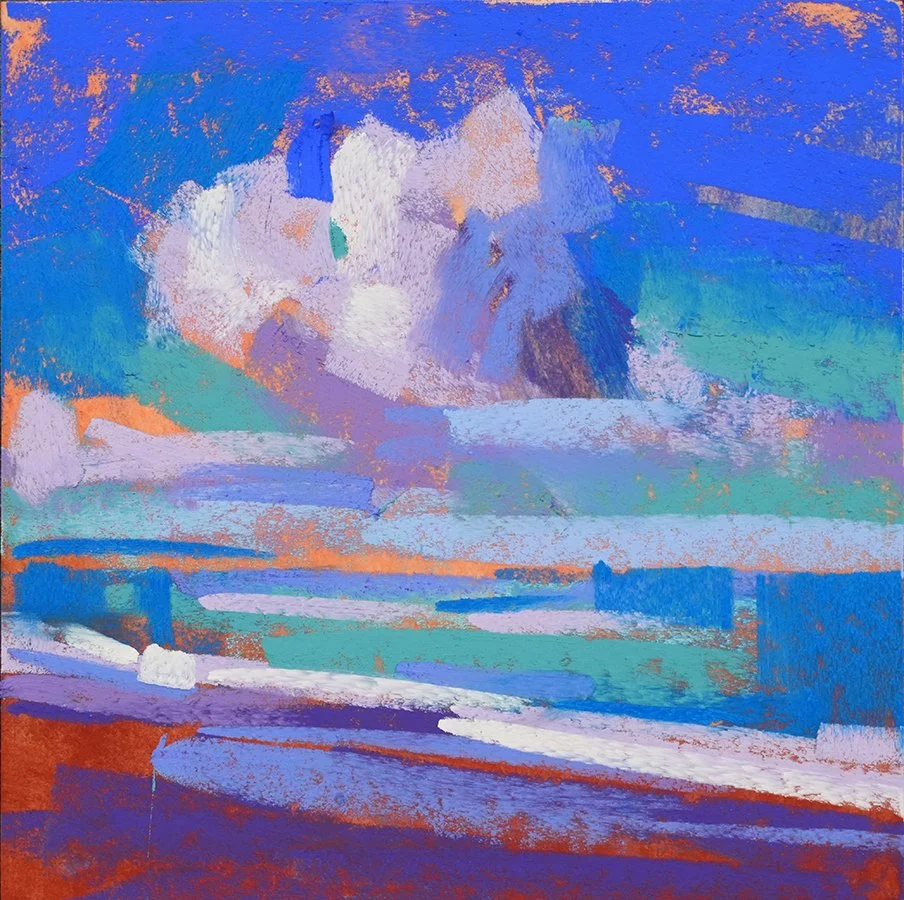
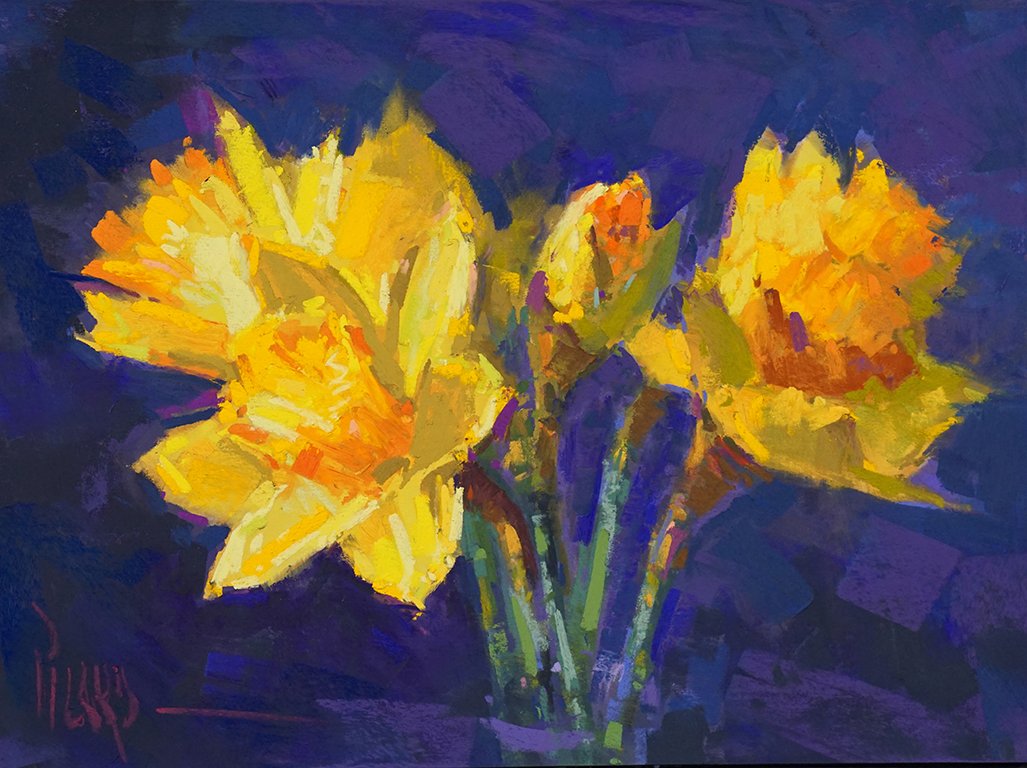
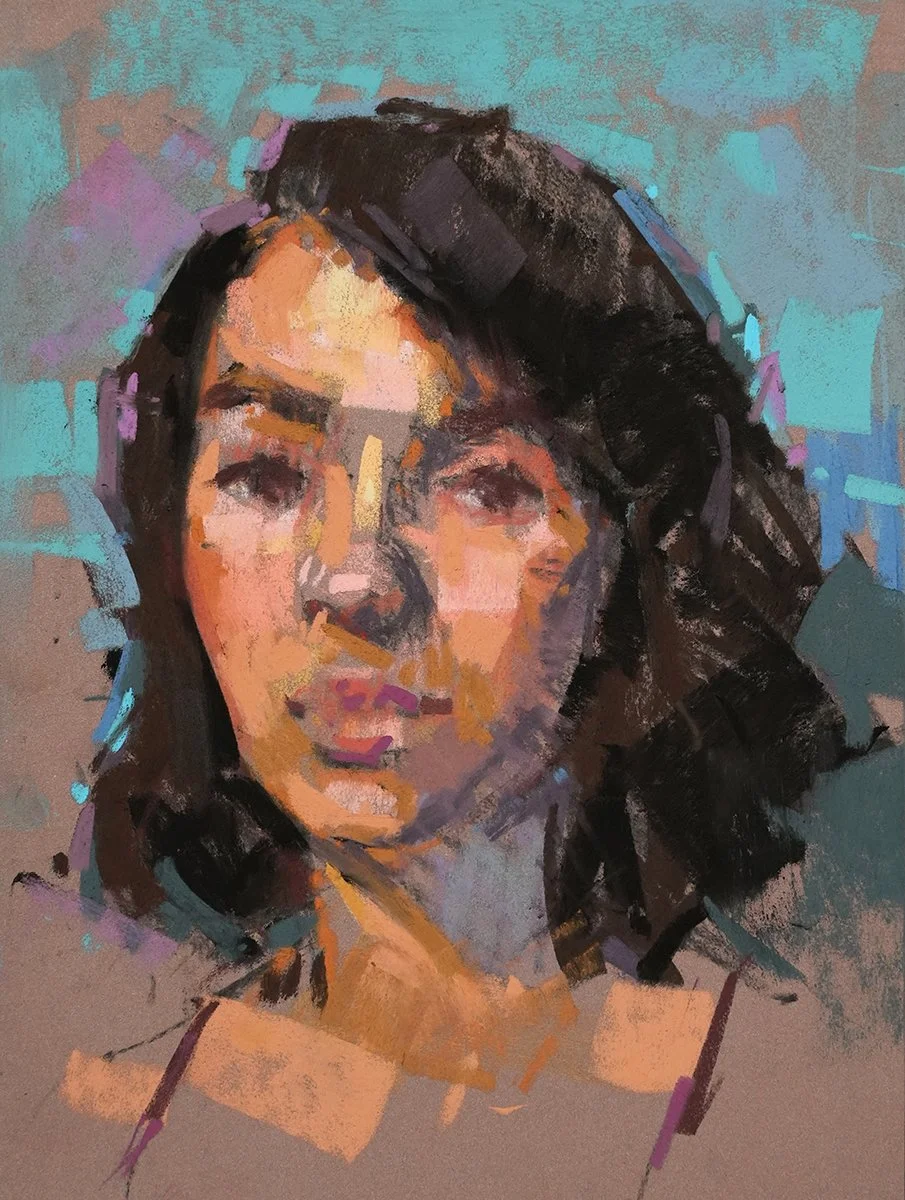
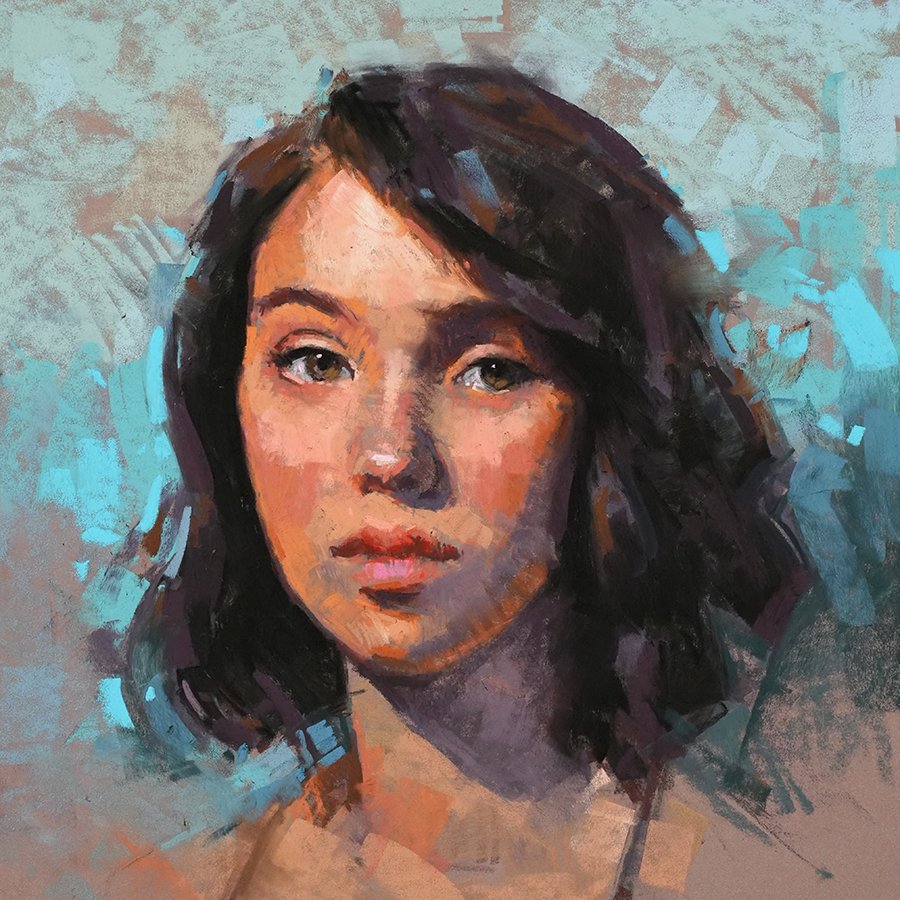
I had to stop drawing everything first and slowly layering. I had to mass shapes, establish values, and get to color early. More of an Alla Prima mindset; big to small, general to specific.
I still believe that you can always tighten up a loose painting. It’s very hard to loosen up a tight one.
The power of constraints (like the 100 Stroke Challenge)
We also talked about the 100 Stroke Challenge, which is one of my favorite teaching tools. Limitation is often the birthplace of innovation. When strokes or colors are limited, priorities become clear.
What matters most?
What do I say first?
What can I let go of?
A good constraint creates a productive crisis, and that crisis often leads to a breakthrough.
What I hope artists take away
When I teach, I often say I get to traffic in dream fulfillment. Artists carry doubt, resistance, and old voices that tell them they’re not enough. My goal isn’t just to teach technique, it’s to help artists reconnect to joy, curiosity, and permission to play.
Because when you keep showing up at the easel, you don’t just grow as an artist. You bring more beauty and hope into the world.
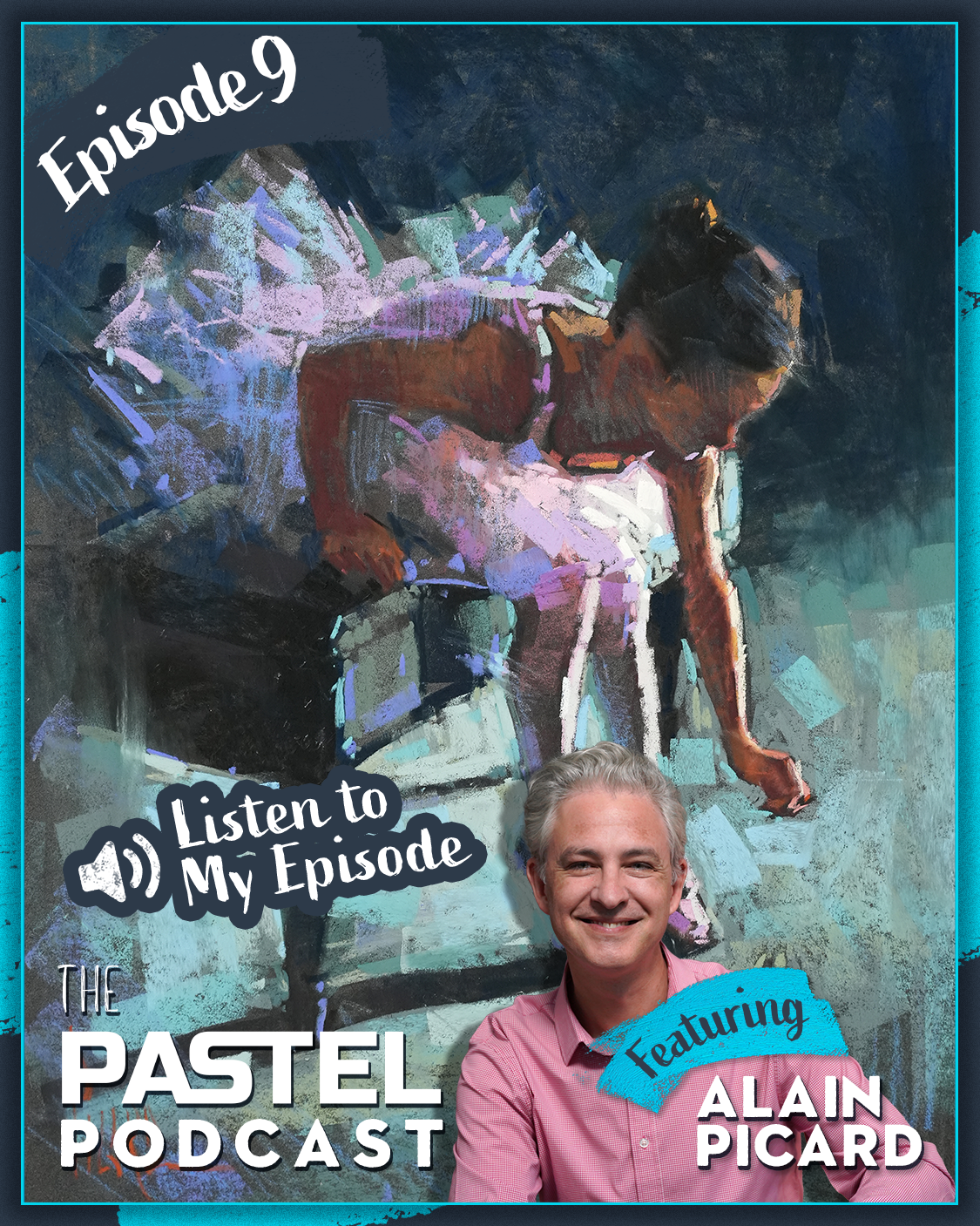
If you’d like to hear the full conversation, I hope the episode encourages you. And if life feels loud right now, here’s your reminder:
Say no to something so you can say yes to your creative time.