How to Stop Overworking Your Paintings: Try the 100-Stroke Challenge

Want to loosen up your landscapes and stop overworking them? Try this.

Recently I shared an exercise in an online workshop called Landscape Week, and it had a major impact on the artists who tried it.

It's called the 100-Stroke Challenge.

So many artists were genuinely surprised by how much they could say with so few marks. When every stroke counts, there's no room to fuss. Each mark gets placed with intention, and the painting gains a clear voice. 

This exercise teaches economy of strokes as you suggest the scene with limited colors and marks. Here's how it goes. Pick a landscape photo reference. Then choose a limited palette of just 10 to 12 pastels: with a few lights, a few middle values, and a few darks. On a small sheet of pastel paper, capture the scene in just 100 strokes. Count each stroke as you make it, and when you reach 100, you're done!

This isn't about making a finished painting. It's about learning to say more with less.
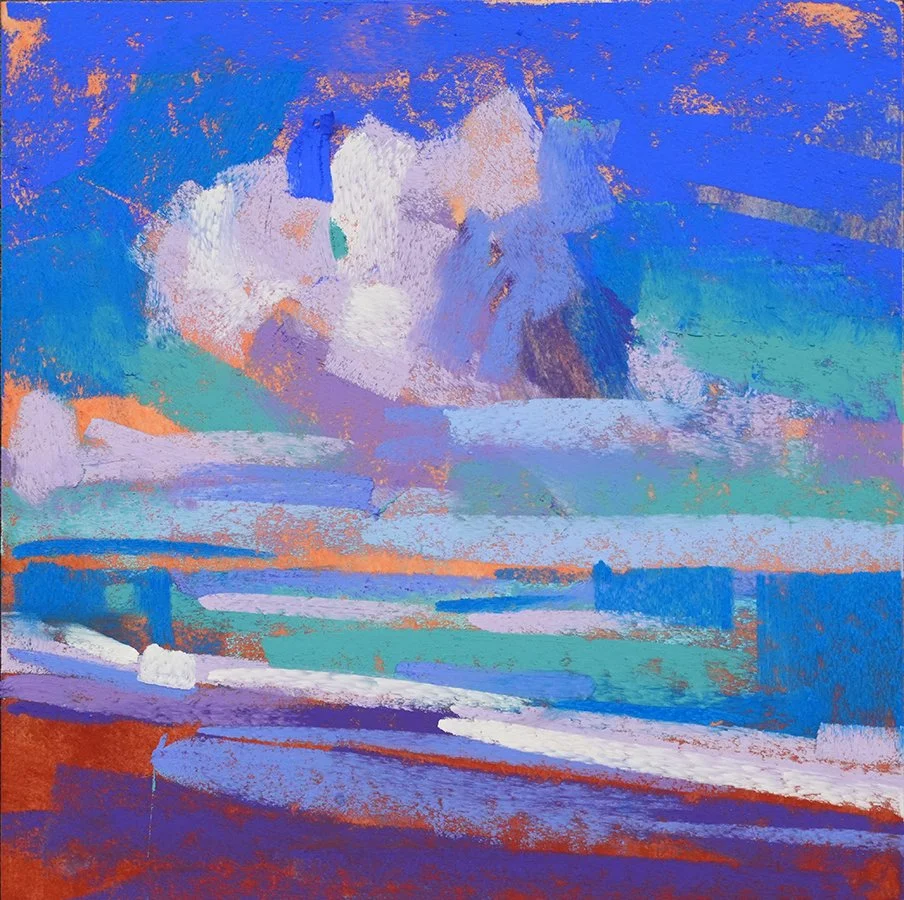
Here is my 7x7” 100-Stroke exercise from Landscape Week. About a dozen sticks and 100 strokes are more than enough to create energy and impact. You can do this too! 

Remember, this is about playfulness over perfection. Your study will likely be loose, a little messy and unfinished, and that's how it should be. Don't let your inner critic sneak back in to clean it up!

Give it a try this week. You might be surprised at how much 100 strokes can say.

Keep painting, 
Alain  

If this exercise stirs something in you and you'd like to go further with your marks, my mini-course Expressive Mark-Making is a four-lesson study built around one simple subject, the pear, so all your attention can go into the marks themselves. You can learn more here.
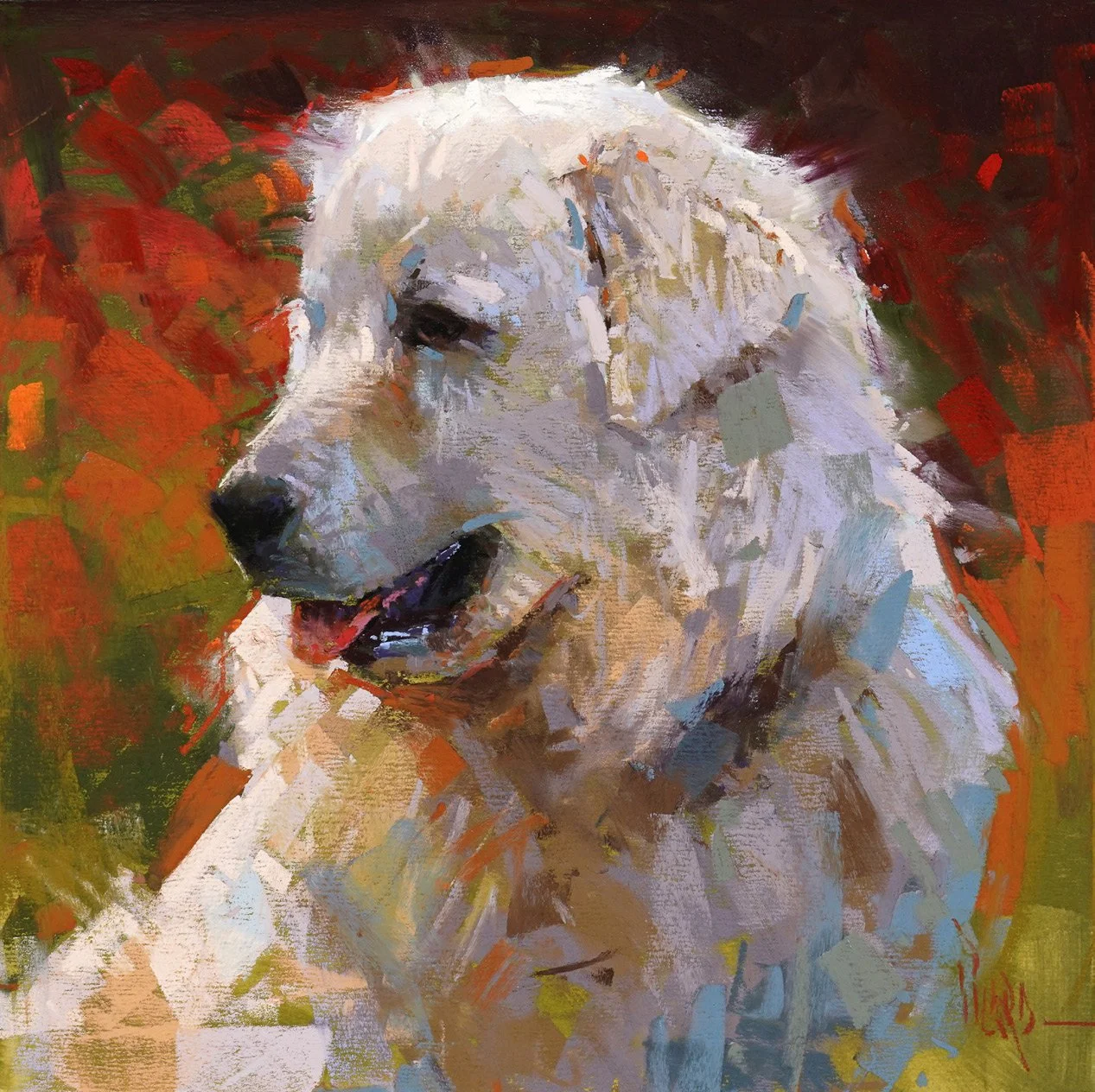
Faithful friend, fearless guardian

Behind my friends' home, there was a small farm. A chicken coop, a horse in the field, a few goats wandering through, and four joyful daughters coming and going in the midst of it all. Watching over every one of them was Bear, a Maremma Sheepdog the size of a small bear himself. Hence the name.

You really cannot appreciate just how big this dog is until you stand next to him. He warded off coyotes at night, kept the chickens safe, played with the goats like they were his own siblings, and looked after those four girls as if it were his sworn duty. Bear lived outside in his element, content in his place at the heart of that family.

Bear, 12x12” pastel

When I went to photograph Bear for a painting, I found him right at home, out among the animals he loved. The portrait above came directly from that afternoon at the farm.

This painting of Bear highlights something I want to share with you this week. The most important thing to capture wasn't his coat, or even his likeness exactly. It was his spirit. That watchful, playful, gentle, enormous spirit. And spirit, it turns out, is exactly what the painterly approach aims to reveal.

There is a freedom that lives inside loose, expressive painting. The marks suggest more than they describe. Color carries feeling. The eyes, big contour shapes and a few telling edges do the heavy work of likeness, so the rest of the painting can breathe.

A handful of accurate shapes and well placed darks will carry more recognition than hours of carefully rendered fur. Fresh color brings a pet to life in a way that gray toned realism rarely reaches. And the love and familiarity you already have for your subject will find its way onto the surface, if you give yourself permission to stay loose.

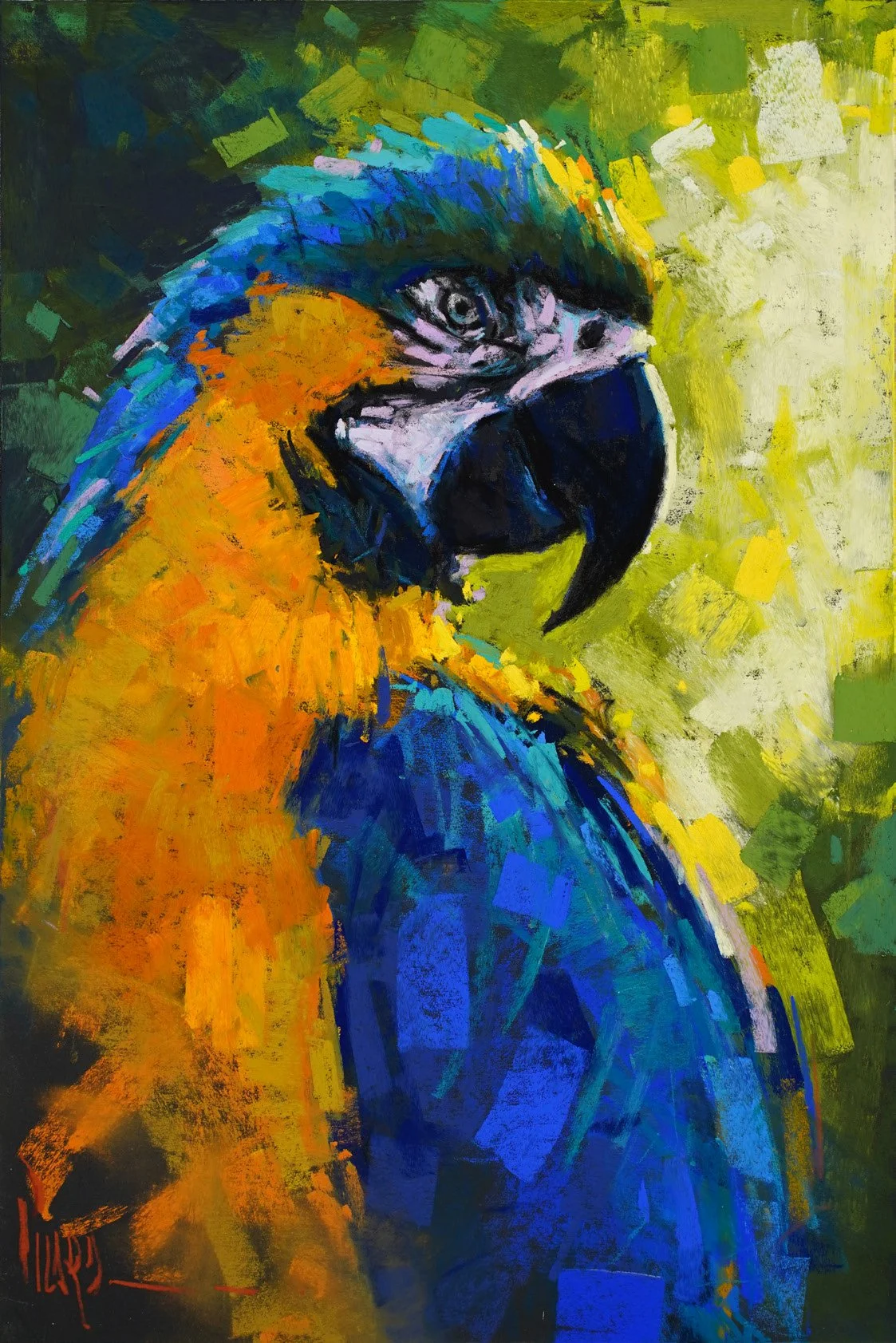
Blue & Gold Macaw, 15x10” pastel

This approach works across species, too. The same painterly thinking that brought Bear to life carries a brilliant blue and gold macaw painted on a dark surface, pulling vibrant feathers out of the shadows with bold direct strokes of soft pastel. These animals come from different worlds, yet carry the same painterly heartbeat.

If you'd like to explore this kind of painting for yourself, I'd love to invite you into my Painterly Pet mini-course. It is a focused journey through evaluating your reference, designing your portrait, and painting two different pets in two distinct ways. You'll work through the painterly approach with a dog painted on a light surface (yes, Bear is the demo), and then take a walk on the wild side with an exotic macaw portrait on a dark toned surface.

Learn more about The Painterly Pet here.

May this week bring you joy at the easel, an adoring smile from your pet of choice, and maybe even a furry friend to paint along the way.


If there’s a pet curled up nearby as you read this, take a moment to really see them. That is where the painting begins. And since The Painterly Pet is self-paced, you can begin whenever inspiration strikes.

Keep painting,

Alain

A Red Revelation

Some experiences in life remind us that we’re on the right path. 

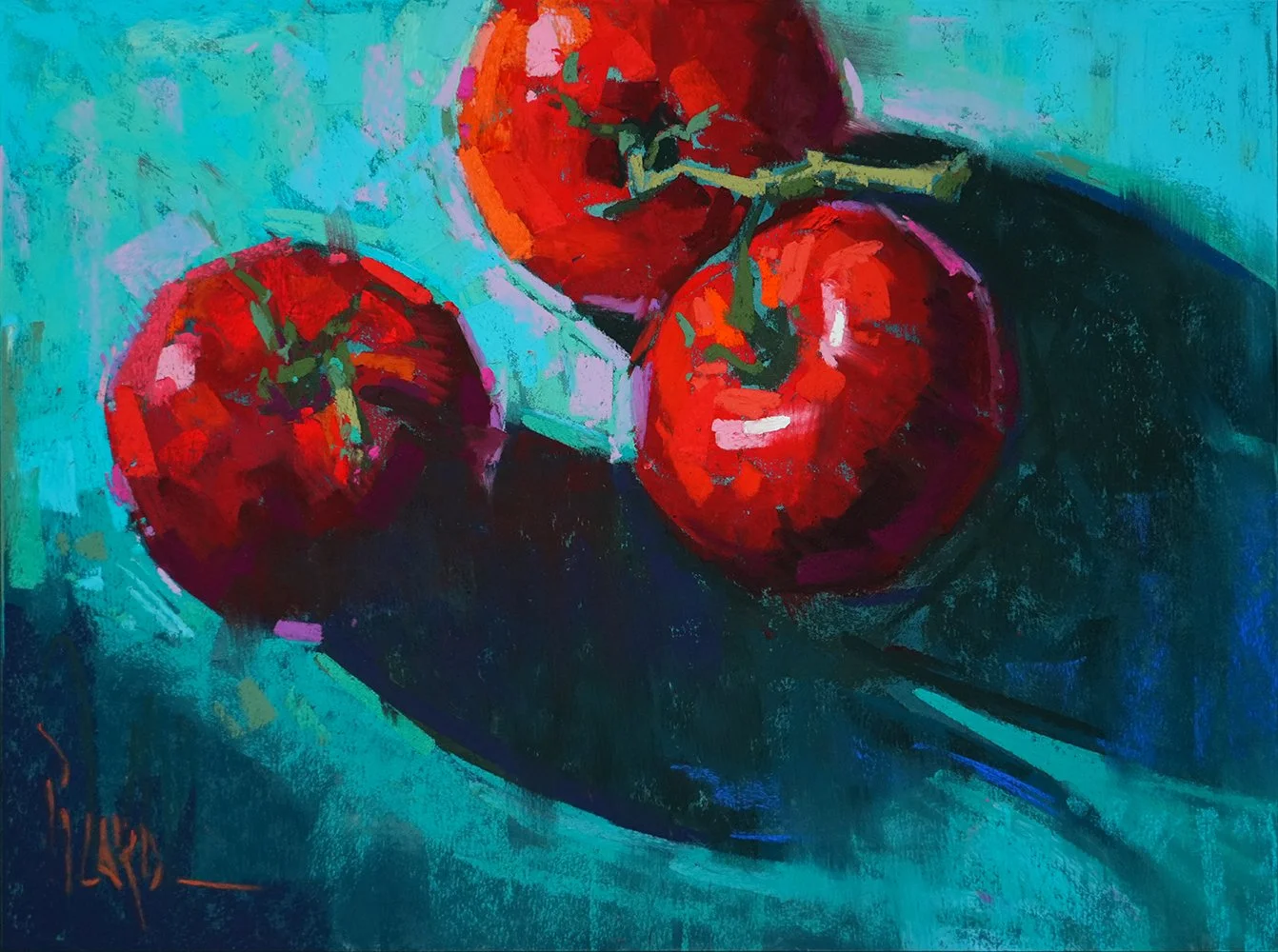
Last week, I painted three vine-ripe tomatoes during a live lesson for The Painterly Still Life Course. The whole lesson was focused on expressive mark-making, how to understand it, build your vocabulary, and apply your mark-making voice in a painting.

As I worked through the exercises alongside my students, this insight was resonating within me. The pleasure of laying down a confident stroke and leaving it alone. The energy that comes from a mark made with intention and trust. This tomato painting punctuated for me just how significant mark-making is to my own joy and process.

Conversation in Red, 9x12” pastel on UART400

Mark-making is not an extra decoration laid on top of a painting. It’s the voice of the artwork. It carries the rhythm, the energy, the emotion. When you build a vocabulary of marks, you give yourself a language for expression that goes far beyond rendering what you see.

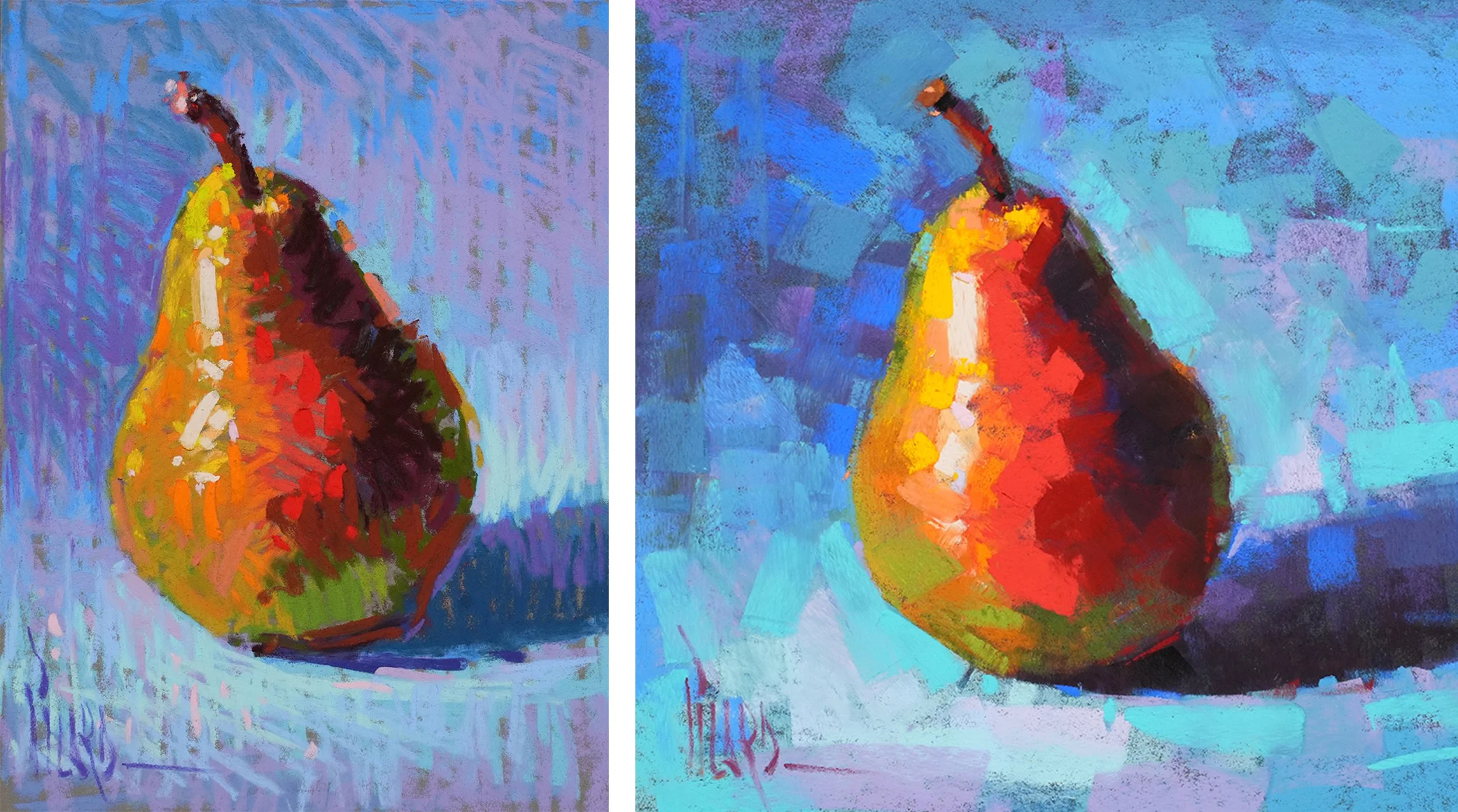
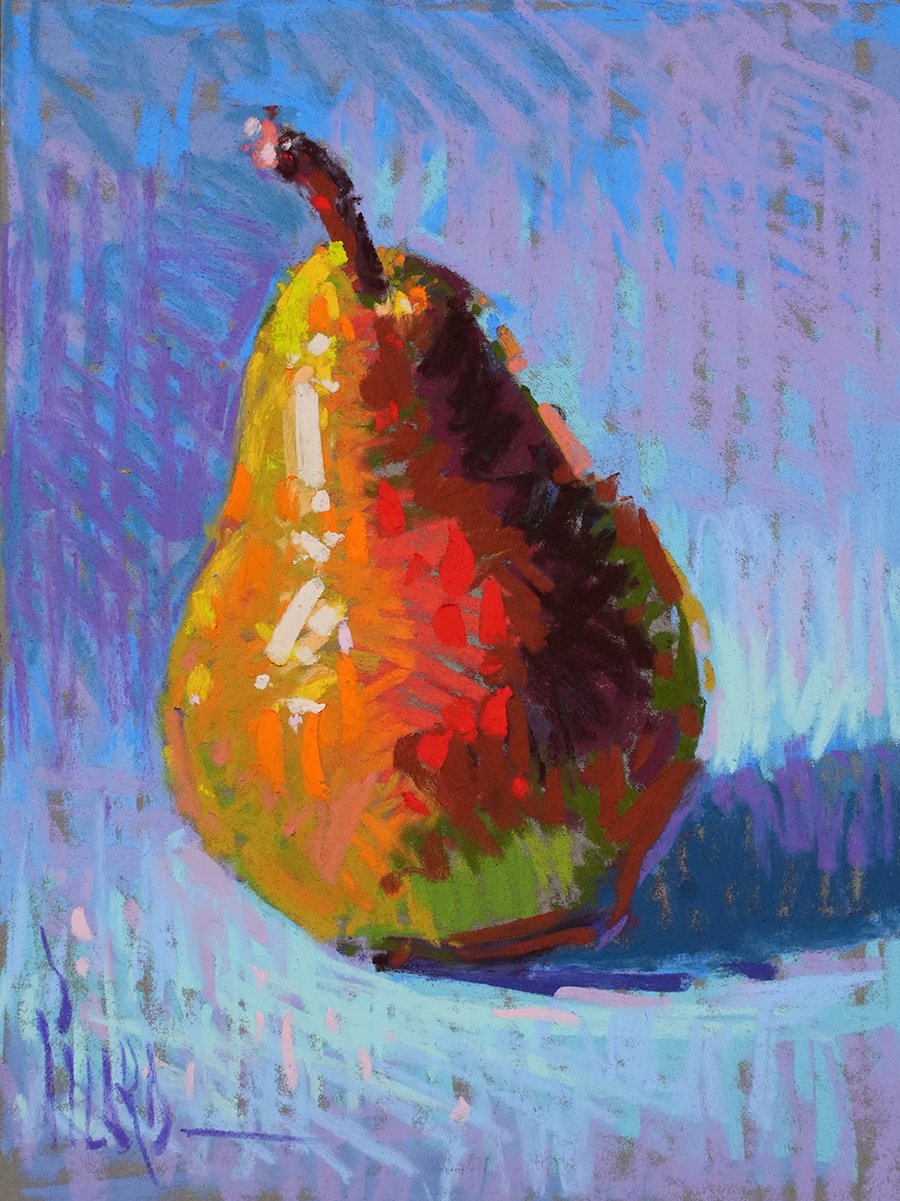
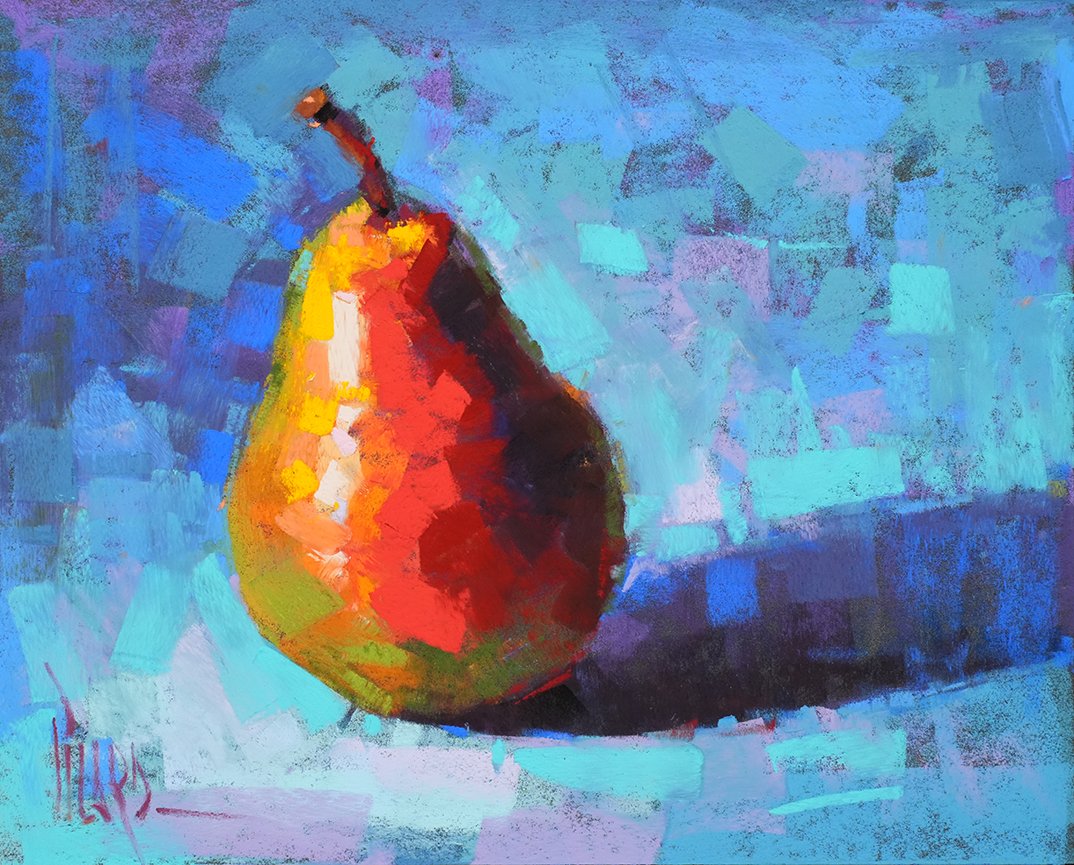
Two pears, painted with very different approaches to marks:

LEFT: Linear Strokes,  RIGHT: Side Strokes

Same subject, two completely different voices. The vocabulary of marks changes the expression. 

If you want to accelerate your own visual vocabulary, the Expressive Mark-Making Mini Course was created to do exactly this. Four focused lessons designed to expand your range and free up your painting hand.

Learn more about the Expressive Mark-Making Mini Course HERE.

Here’s to making your mark, 

Alain

The Mini Course is fully self-paced, so you can work through it whenever inspiration strikes. If you've ever felt your voice isn't coming through clearly in your paintings, this is a great place to start.

The Secret to Sparkling Pastel Ornaments Revealed

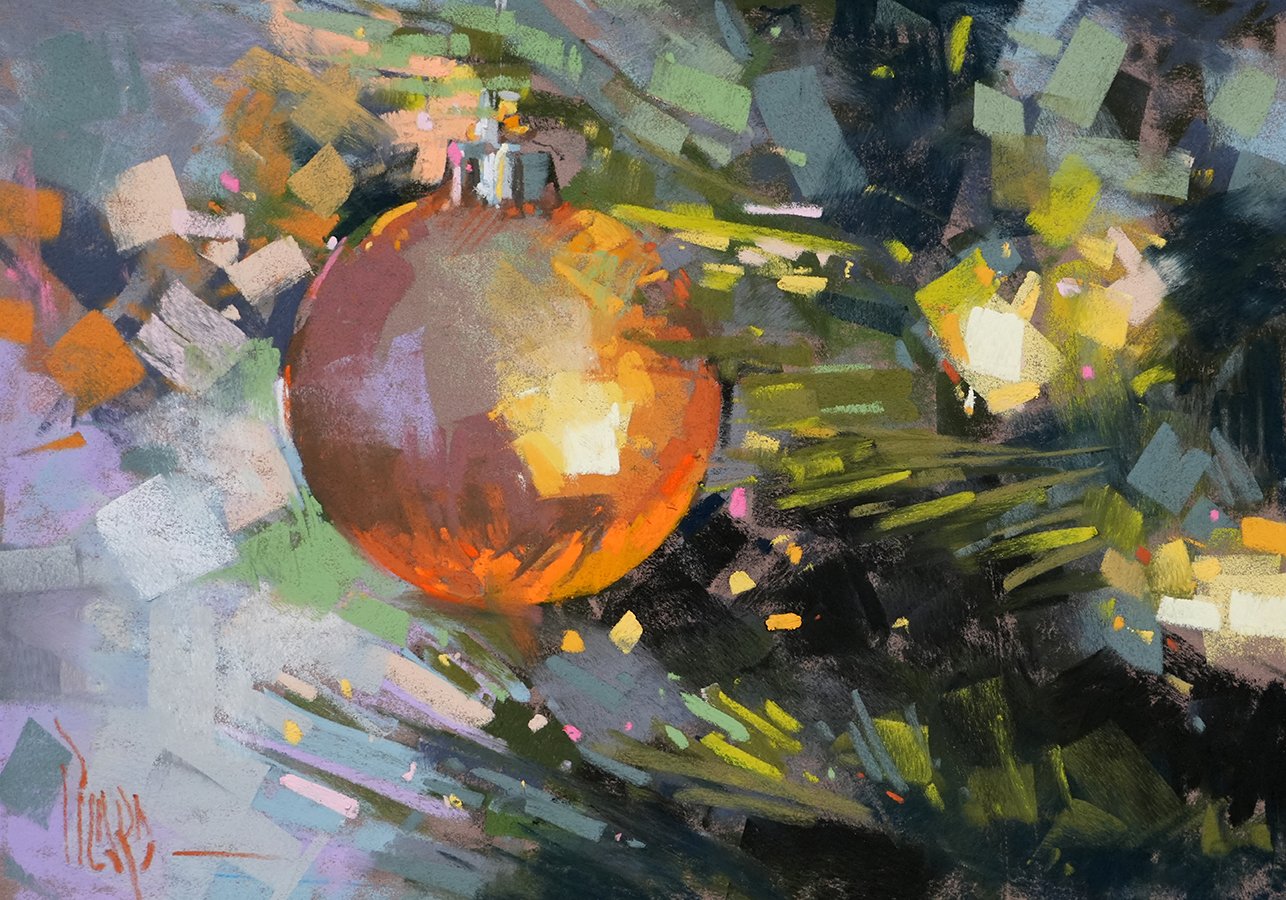
I'm sharing my painterly technique for creating ethereal, shimmering Christmas ornaments in pastel! Join me for a special painting session where I'll reveal my secrets for capturing that ephemeral holiday sparkle.✨

You know those moments when light catches a delicate ornament just right? In this lesson, we'll learn how to capture that magic with pigment. I'll guide you through each step of creating luminous holiday ornaments in soft pastel that seem to glow from within.

What I'm revealing today:

  • The painterly technique behind that shimmering glow

  • My layering secrets for achieving dreamy, pastel effects

  • The surprisingly simple method for adding mesmerizing highlights

Whether you're a seasoned artist or just beginning your creative journey, these techniques will add a beautiful new dimension to your holiday paintings.


It's the season of wonder, and I want to celebrate with you! So let's create some holiday magic together!

Wishing you a Merry Christmas, with abundant creativity and joy in the coming year.🌟

Alain Picard