How to Paint Loose, Expressive Landscapes

Ever struggle with overworking your landscape paintings? 

Palm trees are a good test of your resolve. All those big fronds and tiny leaflets inviting you to draw every line. Just by observing too closely the painting can stiffen up before you know it.
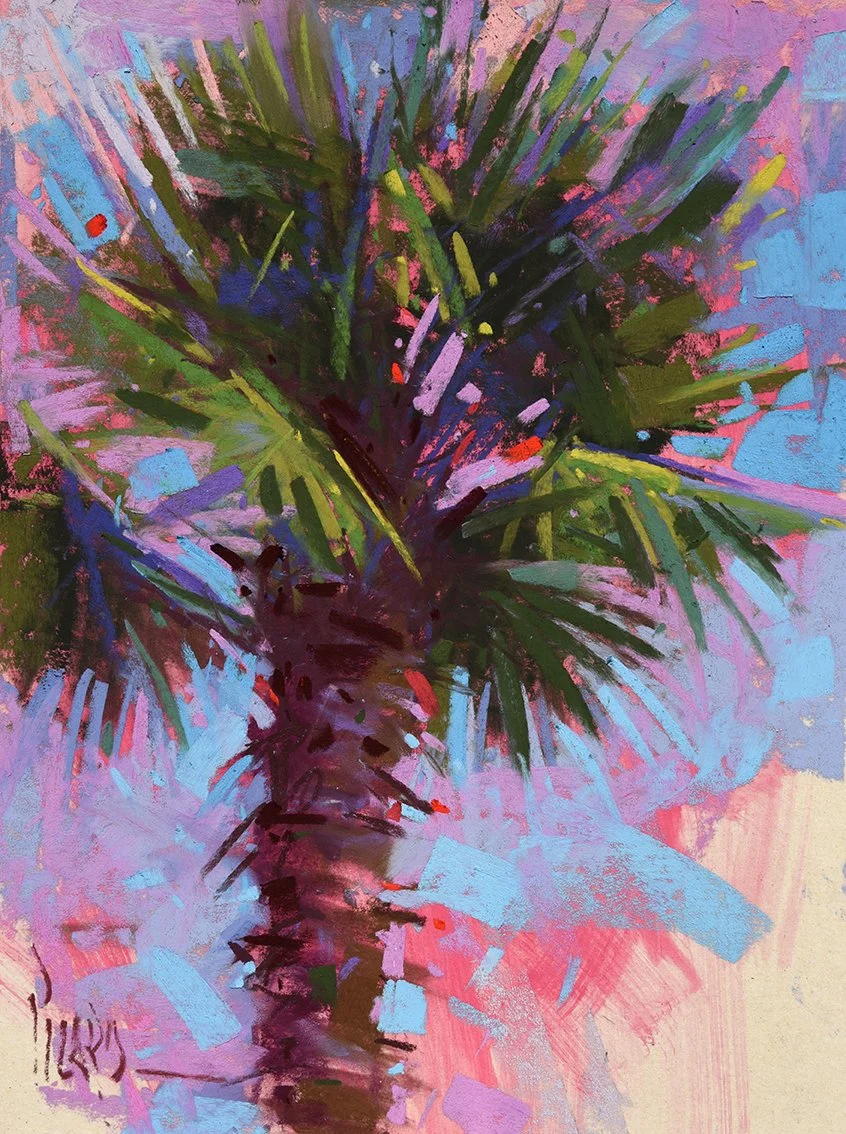
I painted this colorful palm tree on location in Croatia. Standing before that single palm against a big blue sky, I reached for pink, violet and deep crimson. Nothing static, nothing rendered. The color is my response to the moment rather than a record of what was actually there. The energy of the wash and pastel marks is where the movement comes from. Expressive color brings feeling.

So how do we capture that energy and life?

Luckily I snapped a photo of that palm tree, so we can paint it together. We'll look at:

✔️ Bold marks that carry energy
✔️ Color that brings life to the scene
✔️ Suggestion over detail for a painterly result

This painterly approach is a taste of what unfolds in The Painterly Landscape Course. You'll discover the power, fun and freedom of using bold marks and expressive color in your paintings with a complete Painterly Roadmap to guide you. We're also giving the Practice Makes Painterly Bonus to everyone who enrolls in the course before September 9 at 7pm ET when the doors close. This helpful guide is packed with 6 exercises for loose, fresh painting, including the 100-stroke challenge.


Want to paint loose and free? Now's your chance. Enroll in The Painterly Landscape Course by Wednesday, September 9 at 7pm ET, and take the first step toward bolder, looser paintings in pastel that impact the viewer with energy and expression. Seven Milestones take you on a journey of transformation in your landscape painting from design all the way to a beautiful destination. 
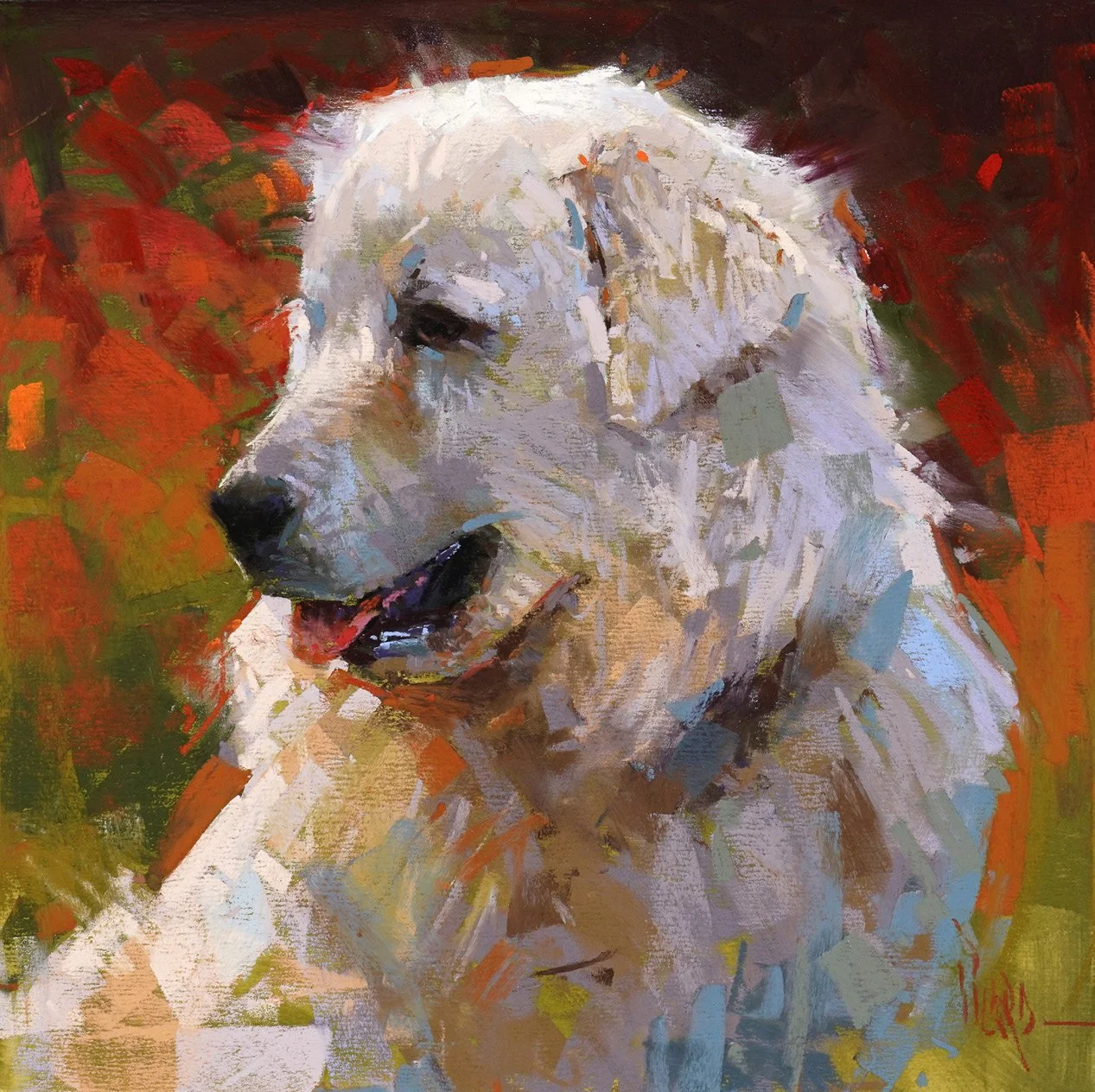
Faithful friend, fearless guardian

Behind my friends' home, there was a small farm. A chicken coop, a horse in the field, a few goats wandering through, and four joyful daughters coming and going in the midst of it all. Watching over every one of them was Bear, a Maremma Sheepdog the size of a small bear himself. Hence the name.

You really cannot appreciate just how big this dog is until you stand next to him. He warded off coyotes at night, kept the chickens safe, played with the goats like they were his own siblings, and looked after those four girls as if it were his sworn duty. Bear lived outside in his element, content in his place at the heart of that family.

Bear, 12x12” pastel

When I went to photograph Bear for a painting, I found him right at home, out among the animals he loved. The portrait above came directly from that afternoon at the farm.

This painting of Bear highlights something I want to share with you this week. The most important thing to capture wasn't his coat, or even his likeness exactly. It was his spirit. That watchful, playful, gentle, enormous spirit. And spirit, it turns out, is exactly what the painterly approach aims to reveal.

There is a freedom that lives inside loose, expressive painting. The marks suggest more than they describe. Color carries feeling. The eyes, big contour shapes and a few telling edges do the heavy work of likeness, so the rest of the painting can breathe.

A handful of accurate shapes and well placed darks will carry more recognition than hours of carefully rendered fur. Fresh color brings a pet to life in a way that gray toned realism rarely reaches. And the love and familiarity you already have for your subject will find its way onto the surface, if you give yourself permission to stay loose.

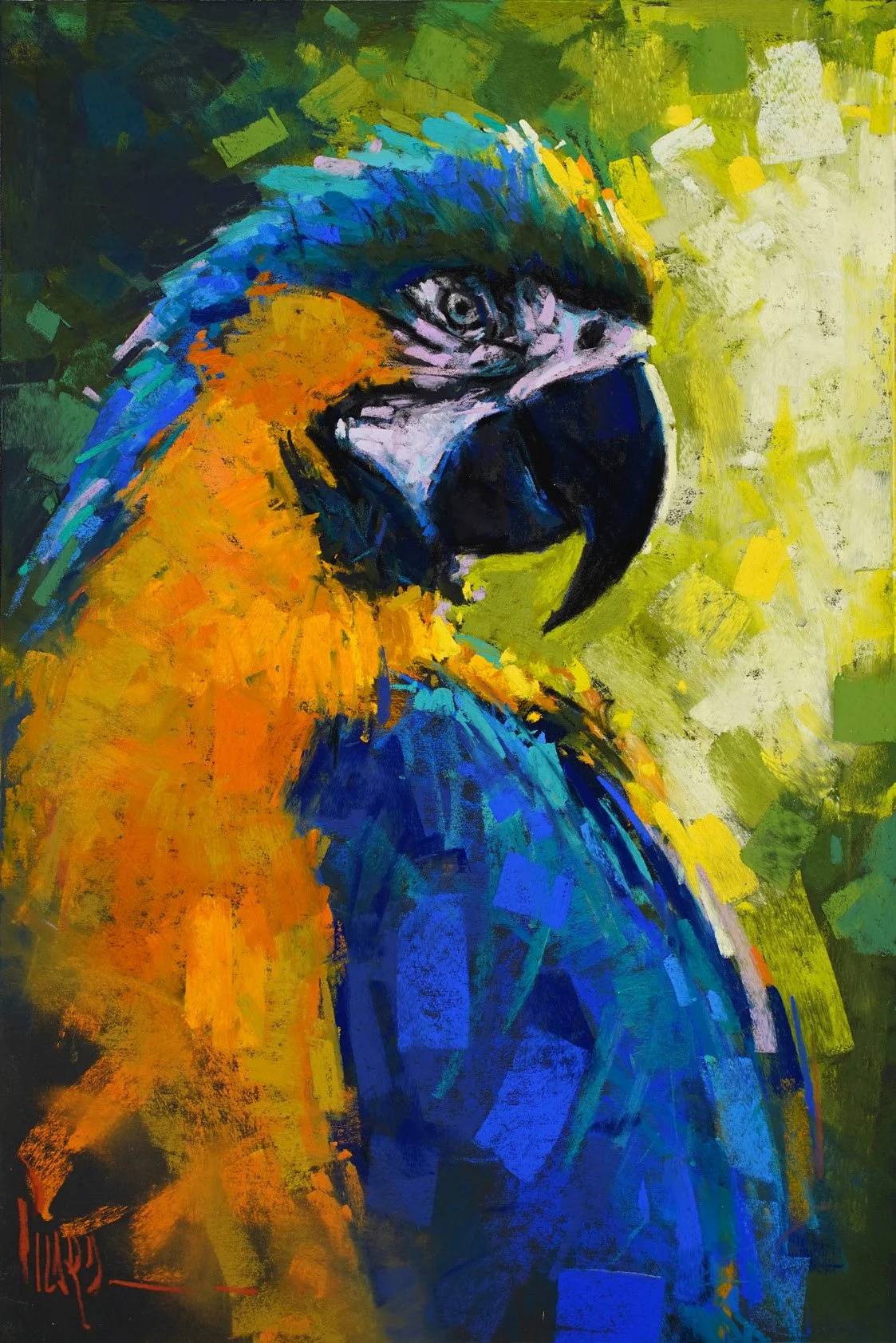
Blue & Gold Macaw, 15x10” pastel

This approach works across species, too. The same painterly thinking that brought Bear to life carries a brilliant blue and gold macaw painted on a dark surface, pulling vibrant feathers out of the shadows with bold direct strokes of soft pastel. These animals come from different worlds, yet carry the same painterly heartbeat.

If you'd like to explore this kind of painting for yourself, I'd love to invite you into my Painterly Pet mini-course. It is a focused journey through evaluating your reference, designing your portrait, and painting two different pets in two distinct ways. You'll work through the painterly approach with a dog painted on a light surface (yes, Bear is the demo), and then take a walk on the wild side with an exotic macaw portrait on a dark toned surface.

Learn more about The Painterly Pet here.

May this week bring you joy at the easel, an adoring smile from your pet of choice, and maybe even a furry friend to paint along the way.


If there’s a pet curled up nearby as you read this, take a moment to really see them. That is where the painting begins. And since The Painterly Pet is self-paced, you can begin whenever inspiration strikes.

Keep painting,

Alain

A Red Revelation

Some experiences in life remind us that we’re on the right path. 

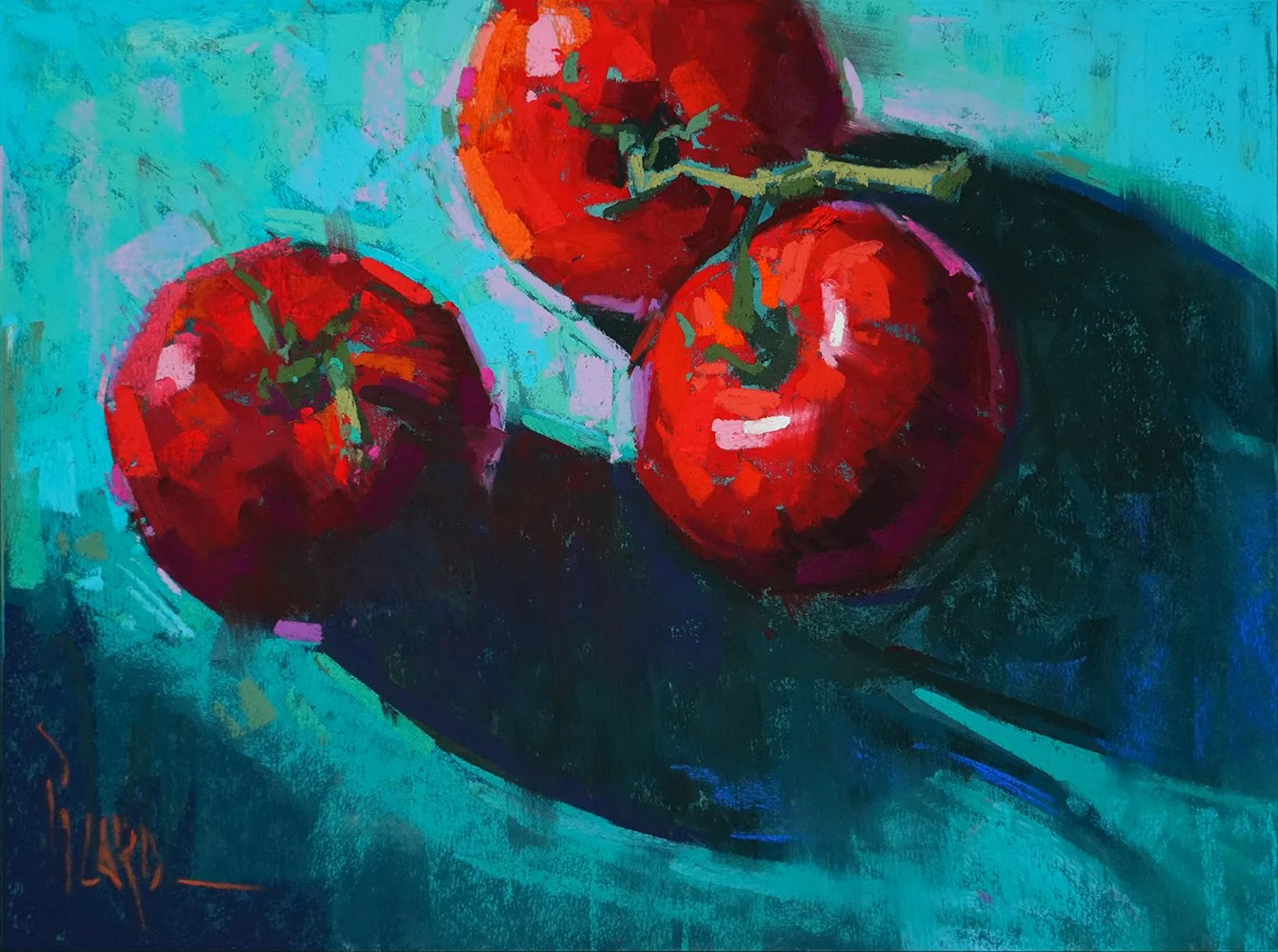
Last week, I painted three vine-ripe tomatoes during a live lesson for The Painterly Still Life Course. The whole lesson was focused on expressive mark-making, how to understand it, build your vocabulary, and apply your mark-making voice in a painting.

As I worked through the exercises alongside my students, this insight was resonating within me. The pleasure of laying down a confident stroke and leaving it alone. The energy that comes from a mark made with intention and trust. This tomato painting punctuated for me just how significant mark-making is to my own joy and process.

Conversation in Red, 9x12” pastel on UART400

Mark-making is not an extra decoration laid on top of a painting. It’s the voice of the artwork. It carries the rhythm, the energy, the emotion. When you build a vocabulary of marks, you give yourself a language for expression that goes far beyond rendering what you see.

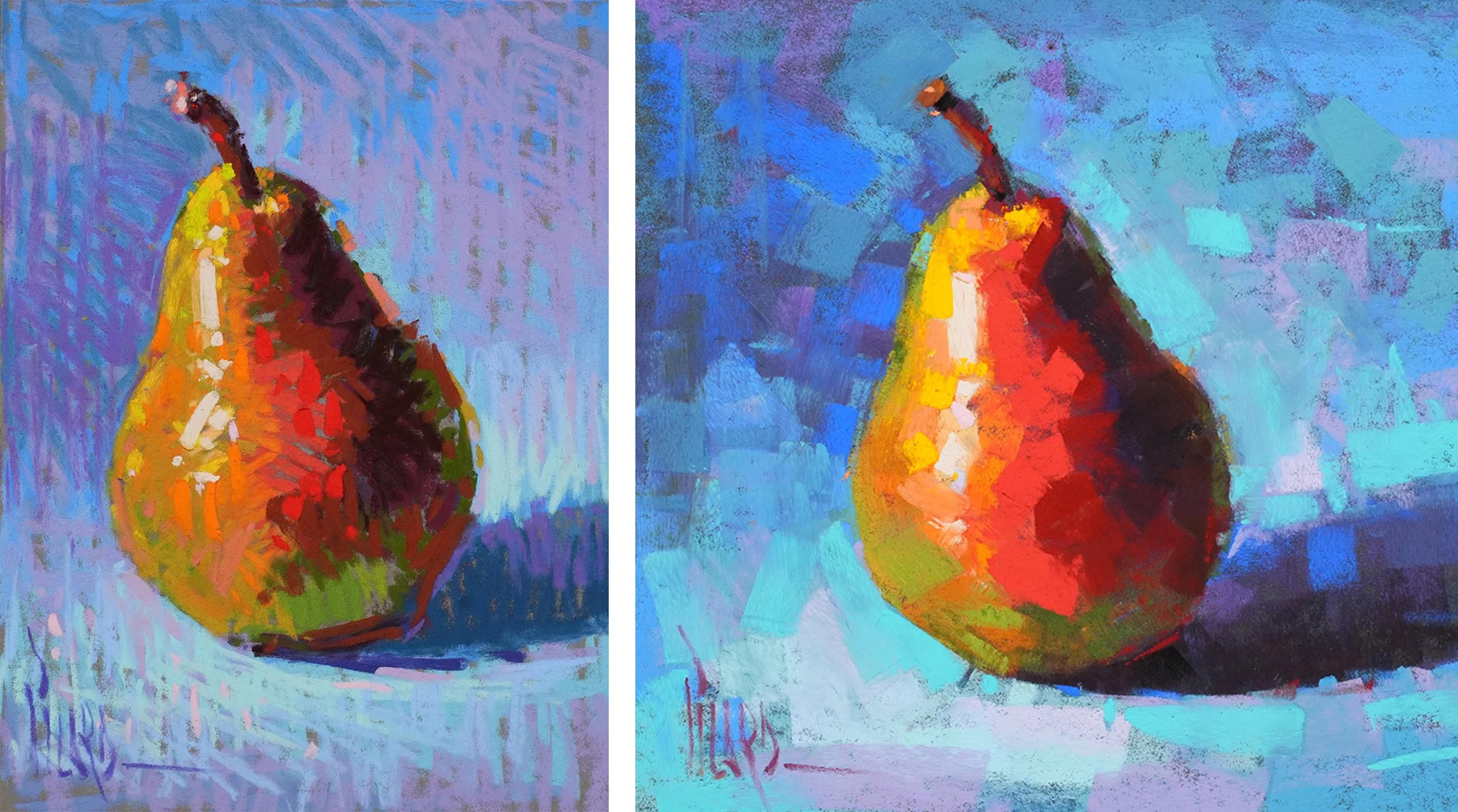
Two pears, painted with very different approaches to marks:

LEFT: Linear Strokes,  RIGHT: Side Strokes

Same subject, two completely different voices. The vocabulary of marks changes the expression. 

If you want to accelerate your own visual vocabulary, the Expressive Mark-Making Mini Course was created to do exactly this. Four focused lessons designed to expand your range and free up your painting hand.

Learn more about the Expressive Mark-Making Mini Course HERE.

Here’s to making your mark, 

Alain

The Mini Course is fully self-paced, so you can work through it whenever inspiration strikes. If you've ever felt your voice isn't coming through clearly in your paintings, this is a great place to start.